


Blog
Can Same Day Crowns Restore a Damaged Tooth in One Visit

Town Center Dental of LaGrange of LaGrange
TOWN CENTER DENTAL OF LAGRANGE | October 22, 2026
A damaged tooth can make everyday activities surprisingly difficult. You might feel uncomfortable chewing on one side or notice sensitivity when drinking something cold. A visible crack or large filling can also affect how confident you feel about smiling.
Dental crowns offer a way to restore teeth that need more protection than ordinary fillings provide. Traditionally, this treatment involved multiple appointments and a temporary crown. Modern same-day technology can simplify the process by allowing eligible patients to receive their permanent restoration during one appointment.
For local residents, this approach offers an additional option for repairing damaged teeth. Town Center Dental of LaGrange provides same-day crowns in Lagrangeville. Understanding the process can help you decide whether this restoration suits your dental needs.
What Makes a Dental Crown Necessary
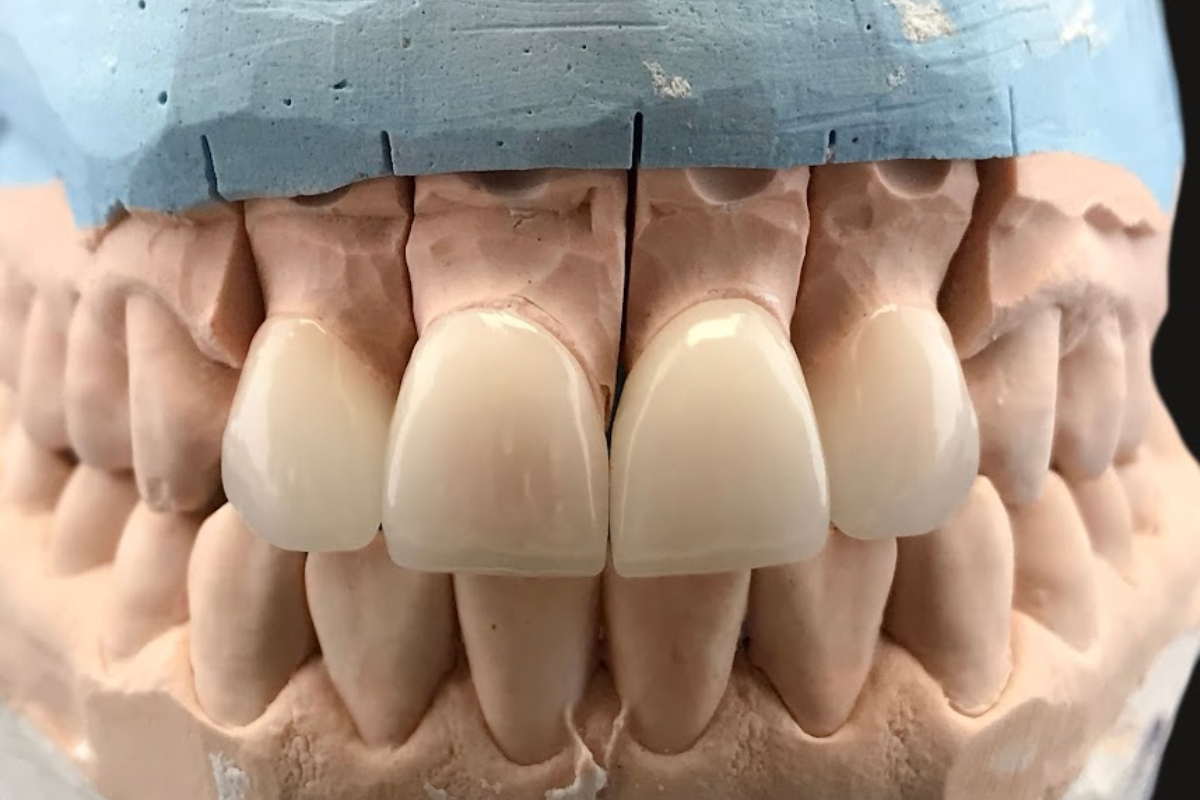
A dental crown is a custom restoration that covers the visible portion of a tooth. It helps restore the tooth’s shape, strength, and chewing function. Crowns are often recommended when a tooth has sustained damage that a filling cannot adequately repair.
Large cavities can remove substantial amounts of natural tooth structure. Once the remaining walls become weak, ordinary fillings may not provide enough support. A crown can cover the weakened tooth and distribute chewing forces more evenly.
Cracked or fractured teeth may also require crowns. Depending on the location and extent of the crack, a protective restoration can help reduce further damage. However, some fractures require different treatment or make the tooth unsuitable for restoration.
Teeth that receive root canal treatment may need additional protection. Removing damaged pulp does not automatically restore the tooth’s original strength. Your dentist may recommend a crown based on the remaining structure and tooth location.
Crowns can also replace severely worn or damaged existing restorations. They help rebuild chewing surfaces and improve the tooth’s appearance. The appropriate treatment depends on a complete examination.
How Same-Day Crown Technology Works
Our same-day crowns in Lagrangeville use digital technology and in-office equipment to create restorations. The process combines digital impressions, computer-aided design, and milling technology. This allows the dental team to complete several treatment stages during one appointment.
The first step involves examining the affected tooth. Your dentist checks its condition and determines whether a crown is appropriate. X-rays or additional diagnostic procedures may be necessary.
Next, the dentist prepares the tooth by removing damaged tissue and shaping the remaining structure. This creates enough space for the restoration. The preparation also helps the crown fit securely over the tooth.
Instead of using traditional impression material, the team may capture a digital scan. A small scanning device records the prepared tooth and surrounding structures. The resulting images help create a precise digital model.
The dentist then designs the crown using specialized software. Its shape and contact with neighboring teeth must support proper chewing and alignment. Adjustments can be made before manufacturing begins.
An in-office milling machine creates the crown from a suitable dental material. The restoration is then finished and checked for fit. Once the dentist confirms its suitability, the crown is bonded or cemented into place.
The procedure concludes with bite adjustments and a final examination. Your dentist checks whether the restoration feels comfortable during normal jaw movement. You can then receive instructions for caring for your new crown.
Who May Benefit From One-Visit Crowns
Same-day crowns can help patients who need to restore damaged teeth efficiently. However, not every patient or tooth qualifies for this treatment. Your dentist must evaluate the condition and restoration requirements.
Patients With Large Cavities
Extensive decay can weaken the remaining tooth structure. A crown may provide more coverage than a traditional filling. Same-day technology may help eligible patients complete the restoration in one appointment.
Patients With Fractured Teeth
A fractured tooth may require additional protection during chewing. A crown can cover and support the remaining structure when the fracture is suitable for restoration. Your dentist must first determine whether the crack extends too deeply.
Patients Requiring Replacement Crowns
Older crowns can become worn, damaged, or poorly fitting. Replacing them may restore comfort and function. Same-day technology can reduce the number of appointments when the case qualifies.
Patients Seeking Convenient Treatment
Some patients prefer completing their restoration without returning for a second crown appointment. Same-day treatment can reduce scheduling demands. This may be helpful for people balancing work, school, family, and other commitments.
Same-Day Crowns Versus Traditional Crowns
Both approaches aim to restore damaged teeth and protect remaining natural structure. The main difference involves how the restoration is produced and delivered. Your dentist can explain which process suits your particular situation.
Traditional crowns generally require an initial preparation appointment. The dentist takes an impression and sends it to an outside dental laboratory. A temporary crown protects the prepared tooth while the permanent restoration is manufactured.
The patient then returns for another appointment. During this visit, the dentist removes the temporary crown and places the permanent one. Adjustments are made to confirm the fit and bite.
Same-day crowns use digital scanning and in-office manufacturing. This process may eliminate the waiting period associated with an outside laboratory. Eligible patients can receive their final crown during the same visit.
However, speed should not be the only consideration. Some cases require specific materials, complex designs, or laboratory procedures. Your dentist will recommend the approach that supports the tooth’s restorative needs.
What to Expect After Crown Placement
Your tooth may feel slightly different immediately after treatment. This sensation often improves as you become accustomed to the restoration. Mild sensitivity can also occur after preparation and placement.
Follow your dentist’s instructions about eating and drinking after the procedure. Avoid chewing hard objects with the restored tooth. Contact the office if your bite feels uneven or discomfort persists.
Maintaining good oral hygiene remains essential. Brush twice daily and clean carefully around the crown. The underlying tooth and surrounding gum tissues still need protection from plaque and bacteria.
Regular dental examinations help monitor the restoration. Your dentist can check its margins, stability, and surrounding gum health. These visits also help identify problems affecting other teeth.
How to Make Your Crown Last Longer
A dental crown can provide long-term function when properly maintained. However, its lifespan depends on several factors. Material selection, bite forces, oral hygiene, and personal habits all influence its durability.
Avoid chewing ice, hard candy, and other objects that can damage restorations. If you grind your teeth, ask your dentist about protective options. Excessive pressure can contribute to wear or crown damage.
Limit frequent sugary snacks and drinks. Although the crown itself cannot develop decay, the natural tooth beneath it remains vulnerable. Plaque accumulation around the crown margin can contribute to cavities and gum inflammation.
Use a soft-bristled toothbrush and fluoride toothpaste. Clean between your teeth daily to remove plaque from difficult areas. Consistent care supports both the restoration and surrounding oral tissues.
Is Same-Day Crown Treatment Right for You
A same-day crown can be a convenient way to restore certain damaged teeth. It reduces the waiting period and may eliminate the need for a temporary crown. However, suitability depends on the tooth’s condition and treatment requirements.
A dental examination provides the information needed to make that decision. Your dentist can assess the damage, explain the available materials, and discuss alternatives. This helps ensure that convenience does not compromise restorative needs.
Town Center Dental of LaGrange offers same-day crowns for patients in LaGrangeville. The team uses modern crown technology to restore eligible teeth during one appointment. Request an appointment to discuss your treatment options.
Frequently Asked Questions
1. Are same-day crowns permanent?
Same-day crowns are designed as permanent restorations rather than temporary coverings. Their durability depends on material selection, oral hygiene, and biting habits. Regular dental examinations help monitor their condition.
2. Does getting a same-day crown hurt?
Local anesthesia is generally used during tooth preparation to control discomfort. Some sensitivity may occur afterward. Your dentist will explain what to expect and provide appropriate aftercare instructions.
3. Can every damaged tooth receive a same-day crown?
No, some teeth require different restorative approaches. Extensive fractures, complex cases, or specific material requirements may affect eligibility. Your dentist must examine the tooth before recommending same-day treatment.
4. How should I care for a same-day crown?
Brush twice daily, floss around the restoration, and attend regular dental checkups. Avoid chewing ice or other hard objects. Contact your dentist if the crown feels loose, uncomfortable, or damaged.
Go back to blog
