


Blog
Morning Jaw Pain and Headaches? Could TMJ Be the Reason

Town Center Dental of LaGrange of LaGrange
TOWN CENTER DENTAL OF LAGRANGE | September 30, 2026
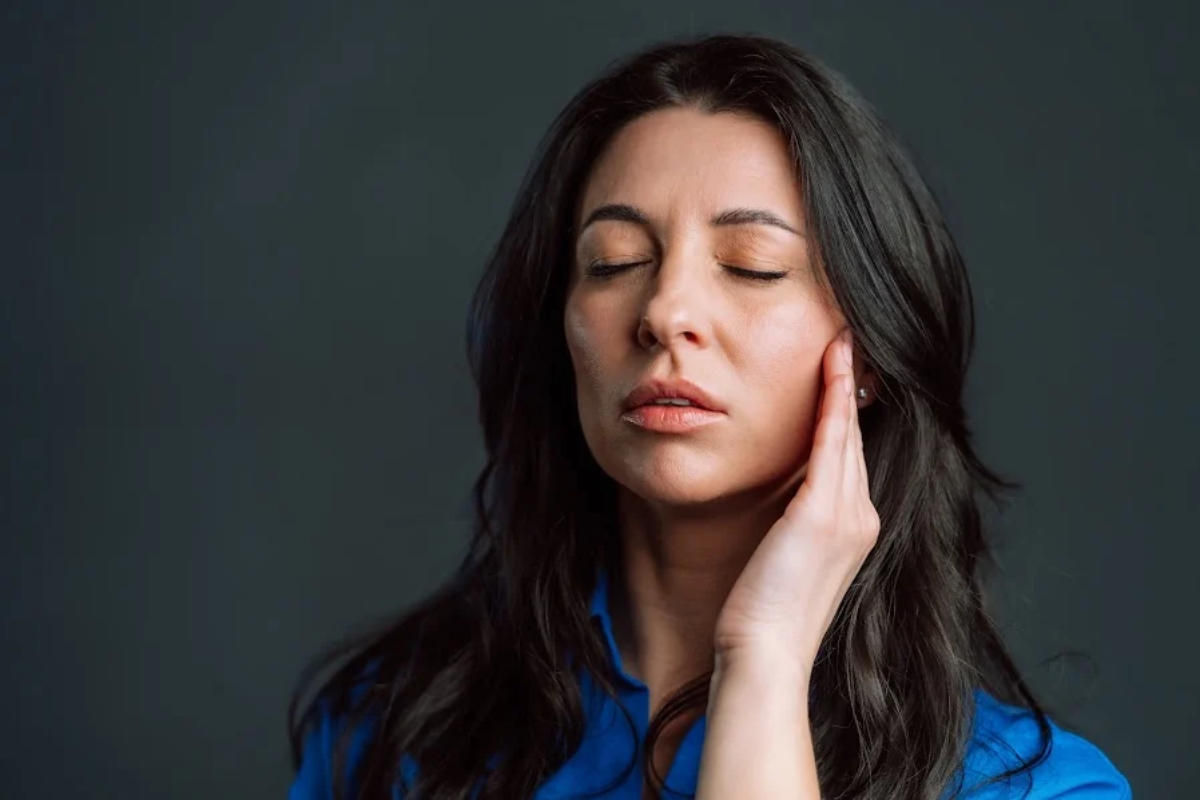
Waking up with jaw soreness can make the beginning of your day uncomfortable. You might notice stiffness while eating breakfast or hear clicking when opening your mouth. Some people also experience recurring headaches or discomfort around their ears.
These symptoms can sometimes be associated with temporomandibular disorders. These conditions affect the jaw joints and muscles involved in chewing. Identifying the source of discomfort is important because several other conditions can cause similar symptoms.
For residents of LaGrangeville, a dental evaluation can help determine whether jaw symptoms require further attention. Town Center Dental of LaGrange offers TMJ Treatment in LaGrange as a long-lasting solution for jaw pain and headache. Understanding the condition can help you recognize when to seek professional guidance.
Understanding the Temporomandibular Joint
The temporomandibular joints connect your lower jaw to your skull. You have one joint on each side of your face, located near your ears. These joints help your mouth open, close, and move during chewing and speaking.
Each joint works with surrounding muscles, ligaments, and other structures. A small cartilage disc helps cushion movement between the joint surfaces. Normal jaw function depends on these structures working together.
Temporomandibular disorders, commonly called TMD, describe conditions affecting the jaw joints and surrounding muscles. The term TMJ refers specifically to the joint itself. People often use TMJ as a general name for related disorders.
The National Institute of Dental and Craniofacial Research identifies several categories of TMD. These include joint disorders, chewing muscle disorders, and headaches associated with TMD. More than one type of problem can occur together.
Common Symptoms You Should Recognize
TMD symptoms can vary significantly between individuals. Some people experience occasional discomfort, while others notice persistent problems. Recognizing common symptoms can help you decide when an evaluation may be appropriate.
Jaw Pain or Tenderness
Pain around the jaw joint or chewing muscles is a common symptom. You may notice discomfort while chewing, speaking, or opening your mouth. The soreness can sometimes spread toward your cheeks or neck.
Clicking or Popping Sounds
Some people hear clicking or popping when moving their jaws. These sounds do not always indicate a disorder. However, painful clicking or sounds accompanied by limited movement deserve evaluation.
Morning Jaw Stiffness
Jaw muscles may feel tired or tight after waking. Clenching or grinding during sleep can contribute to morning discomfort. Persistent stiffness may also have other underlying causes.
Recurring Headaches
Some TMD conditions involve headaches associated with the jaw muscles or joints. You might notice discomfort around your temples or forehead. However, headaches have many possible causes and should not automatically be attributed to TMD.
Difficulty Opening Your Mouth
Jaw movement may become restricted when the joint or surrounding muscles are affected. You might struggle to open your mouth fully. Some individuals also experience temporary jaw locking.
What Can Contribute to TMJ Disorders
TMD does not have one universal cause. Several factors may contribute to jaw pain and dysfunction. Understanding these possibilities helps your dentist evaluate your symptoms more accurately.
Jaw injuries can affect the joint and surrounding tissues. A direct impact may damage structures responsible for normal movement. Arthritis can also affect the joint and contribute to pain or stiffness.
Muscle tension represents another possible factor. Repeated clenching or grinding can place pressure on the chewing muscles. Stress may increase these habits in some individuals.
Certain medical conditions can occur alongside TMD. The National Institute of Dental and Craniofacial Research notes associations with conditions such as migraines, arthritis, and other chronic pain disorders. These relationships do not mean one condition automatically causes another.
It is also important to avoid assuming that every bite irregularity causes TMD. Research does not support a simple direct relationship between an uneven bite and all temporomandibular disorders. A proper diagnosis requires evaluating the patient’s symptoms and joint function.
How Dentists Evaluate Jaw Pain
A dental examination helps determine whether your symptoms may involve the jaw joints or chewing muscles. Your dentist will begin by reviewing your medical and dental history. Questions may cover the location, frequency, and severity of discomfort.
You may also be asked whether symptoms worsen during certain activities. Chewing, yawning, speaking, and waking up can provide useful information. Previous jaw injuries and habits such as clenching may also matter.
During the physical examination, your dentist checks jaw movement. They may assess tenderness around the joint and surrounding muscles. The examination can also reveal limited opening or painful joint sounds.
Imaging may be recommended when additional information is needed. Different imaging methods show different structures. Your dentist can determine whether further evaluation or specialist referral is appropriate.
Jaw pain does not always originate from TMD. Dental infections, ear conditions, headaches, and other medical problems can produce overlapping symptoms. Accurate diagnosis helps prevent unnecessary treatment.
Treatment Approaches for TMJ Discomfort
Treatment depends on the type of disorder and severity of symptoms. Many TMD problems improve with conservative measures. More involved procedures are generally considered only when clinically necessary.
Lifestyle Adjustments
Reducing excessive jaw activity can help limit muscle strain. Your dentist may suggest temporarily avoiding gum chewing and very hard foods. Paying attention to daytime clenching can also help reduce unnecessary tension.
Warm or Cold Compresses
Applying heat or cold to the affected area may help relieve discomfort. Follow professional guidance about the appropriate method and duration. Avoid applying extreme temperatures directly to sensitive skin.
Jaw Exercises
Certain gentle exercises may support jaw movement and muscle function. These should be selected according to your condition. Avoid forcing movements that increase pain or cause locking.
Medication Guidance
A healthcare professional may recommend appropriate medication for short-term symptom management. Medication selection depends on your medical history and other health considerations. Always follow professional instructions.
Oral Appliances
Some patients may benefit from an oral appliance. A properly selected appliance can help protect teeth from clenching or grinding. However, not every appliance treats every type of TMD.
The NIDCR recommends beginning with conservative treatment approaches when appropriate. It also advises caution with procedures that permanently change the teeth or bite.
Habits That May Help Reduce Jaw Strain
Small daily adjustments can help reduce unnecessary pressure on your jaw. These changes do not replace professional evaluation. However, they may support comfort while you follow an appropriate treatment plan.
Try to keep your jaw relaxed when you are not eating or speaking. Avoid resting your chin heavily on your hand. Pay attention to clenching during stressful activities or concentrated work.
Choose softer foods temporarily if chewing causes discomfort. Cut larger foods into smaller pieces when necessary. Avoid chewing gum or biting hard objects while symptoms persist.
Maintain a comfortable sleeping position. If you suspect nighttime grinding, discuss it with your dentist. They can evaluate signs of tooth wear and recommend suitable protective options.
Stress management may also help reduce muscle tension. Regular physical activity and relaxation techniques support general well-being. However, persistent jaw symptoms still require appropriate assessment.
When Should You Seek Professional Attention
Occasional painless clicking does not always require treatment. However, recurring pain, restricted movement, or jaw locking deserves professional evaluation. Symptoms that interfere with eating or everyday activities should not be ignored.
Seek prompt medical attention if jaw symptoms follow a significant injury. Sudden severe pain or facial swelling may also require urgent assessment. Chest pain accompanied by jaw discomfort requires emergency medical attention because it can indicate a cardiac problem.
Do not attempt to force a locked jaw into position. Avoid aggressive jaw exercises without professional guidance. Your dentist or physician can help determine the next appropriate step.
Get Help Understanding Your Jaw Pain
Recurring headaches and morning jaw soreness can have several explanations. TMD is one possibility, but an accurate diagnosis requires a careful evaluation. Identifying the source helps guide appropriate treatment decisions.
Town Center Dental of LaGrange offers TMJ/TMD treatment in LaGrange. The team can evaluate your concerns and discuss suitable care options. Schedule your appointment today!
Frequently Asked Questions
1. Can TMJ disorders cause headaches?
Some temporomandibular disorders involve headaches associated with jaw muscles or joints. However, headaches can have many other causes. A professional evaluation helps determine whether your symptoms may involve TMD.
2. Is jaw clicking always a sign of TMJ disorder?
No, painless clicking and popping can occur without requiring treatment. However, clicking accompanied by pain, locking, or restricted movement deserves evaluation. Your dentist can assess the symptoms and recommend appropriate next steps.
3. Can stress make TMJ symptoms worse?
Stress may contribute to clenching and muscle tension in some individuals. These habits can increase pressure on the jaw muscles. Identifying and managing contributing habits may support symptom management.
4. Can TMJ disorders go away without treatment?
Some TMD symptoms improve without extensive treatment. Conservative measures may help manage temporary discomfort. Persistent pain, jaw locking, or limited movement should receive professional evaluation.
Go back to blog
