


Blog
Why Your Dentist Might Recommend Cleanings Every 3 Months

Town Center Dental of LaGrange of LaGrange
TOWN CENTER DENTAL OF LAGRANGE | August 10, 2026
Most people grow up hearing that dental cleanings happen twice a year. So it can feel surprising when your dentist suggests coming in every three months instead. Understanding why your dentist might recommend cleanings every 3 months in Lagrangeville helps you take better control of your oral health. At Town Center Dental of Lagrange, Dr. Wilkie Paes tailors cleaning schedules to each patient’s unique needs — not a one-size-fits-all calendar.
The Standard 6-Month Schedule Is Not Universal
The twice-yearly cleaning recommendation is a guideline, not a rule. It works well for patients with healthy gums and minimal plaque buildup. But many patients have conditions that cause bacteria to return much faster than every six months.
When harmful bacteria rebuild quickly, waiting six months allows serious damage to develop. Bone loss, gum recession, and deep pockets can all progress silently. More frequent cleanings interrupt that cycle before it causes lasting harm.
Dr. Paes evaluates each patient’s risk level at every visit. He looks at gum health, plaque patterns, and any underlying conditions. That assessment directly shapes the cleaning interval he recommends.
Why Your Dentist Might Recommend Cleanings Every 3 Months in Lagrangeville: Key Risk Factors
Several specific factors commonly lead to a three- or four-month cleaning schedule. Knowing these factors helps you understand your own dental needs more clearly.
- Active or history of gum disease: Gum disease creates deep pockets where bacteria thrive. These areas are harder to clean at home and need professional attention more often.
- Diabetes: High blood sugar affects gum tissue and slows healing. Diabetic patients face a significantly higher risk of gum infection.
- Smoking or tobacco use: Tobacco reduces blood flow to gum tissue. It also masks early warning signs of gum disease, making frequent monitoring essential.
- Dry mouth: Saliva naturally washes away bacteria. Without enough saliva, plaque accumulates faster than normal.
- Weakened immune system: Certain medications or health conditions reduce the body’s ability to fight oral bacteria.
- Pregnancy: Hormonal changes during pregnancy increase inflammation and gum sensitivity dramatically.
- A history of frequent cavities: Some patients are simply more prone to decay based on their saliva chemistry or diet.
If one or more of these factors applies to you, a shorter cleaning interval is not a punishment. It is a proactive strategy to protect your long-term health.
What Happens During a 3-Month Cleaning Visit
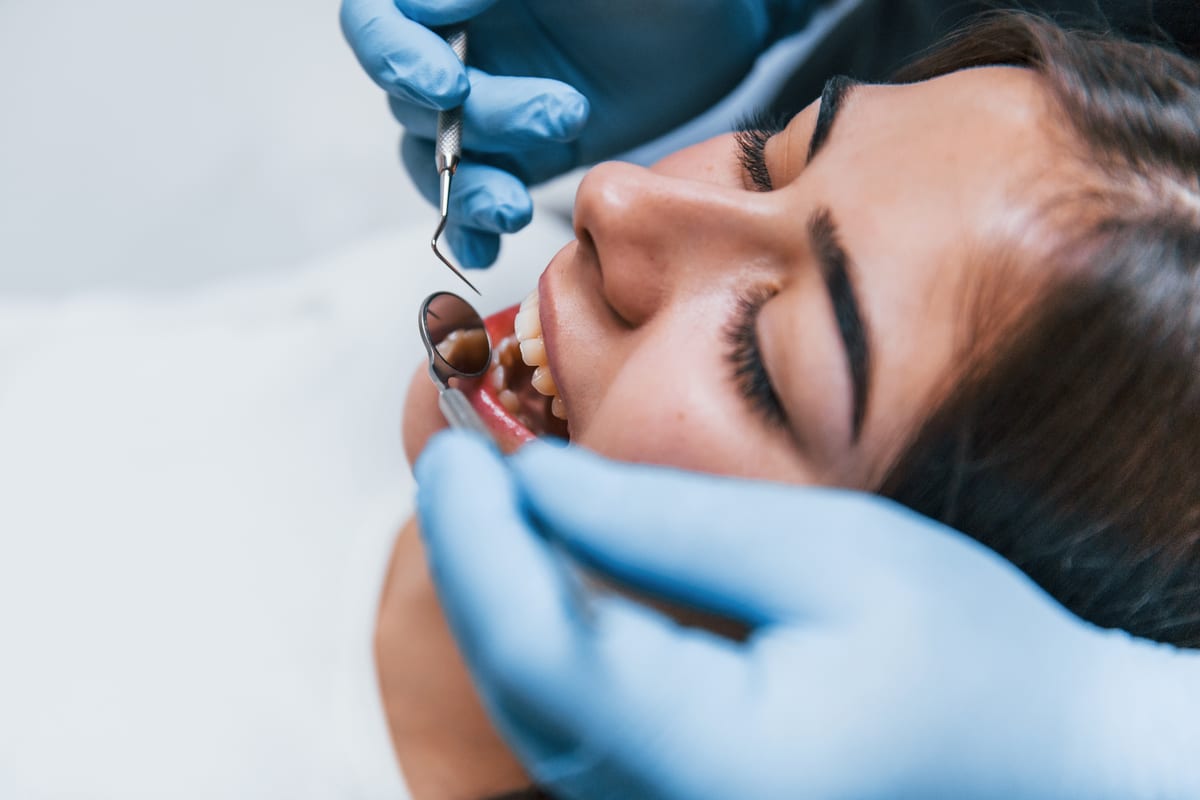
A three-month cleaning, also called a periodontal maintenance visit, is not identical to a standard cleaning. It focuses more specifically on gum health and deep pocket areas. Your hygienist will measure pocket depths and compare them to previous visits.
The cleaning targets both above and below the gumline. This is especially important for patients managing gum disease. Removing tartar below the gum prevents bacteria from reinfecting treated tissue.
Dr. Paes reviews your progress at each visit. If your gum health improves consistently, the interval may eventually extend back to four or six months. The goal is always to reduce your risk level over time, not to keep you on a permanent accelerated schedule.
These visits also serve as a checkpoint for other concerns. If you develop any unexpected sensitivity or swelling between appointments, the team addresses it quickly. Think of each three-month visit as a built-in safety net for your smile.
Children, Families, and Cleaning Frequency in Lagrangeville
Adults are not the only patients who may need more frequent cleanings. Children with braces, high sugar diets, or early signs of gum inflammation may also benefit from shorter intervals. Dr. Paes and the team at Town Center Dental of Lagrange offer Pediatric Dentistry Lagrangeville to help young patients build healthy habits early.
Starting children on the right cleaning schedule sets a strong foundation. It also catches problems like crowding or early decay before they become complex. Parents can ask Dr. Paes directly whether their child’s current schedule needs adjustment.
Family dental care works best when every member gets a personalized plan. That applies to cleaning frequency just as much as to any other treatment decision.
Benefits of Sticking to Your Recommended Cleaning Schedule
It can be tempting to skip a three-month appointment, especially when your teeth feel fine. But gum disease rarely causes pain in its early stages. By the time discomfort appears, significant damage has often already occurred.
- Reduces the risk of tooth loss caused by advanced gum disease
- Lowers the chance of needing more complex procedures later
- Helps manage systemic conditions linked to oral bacteria, including heart disease
- Gives Dr. Paes the data he needs to track your progress accurately
- Keeps your breath fresher by eliminating bacteria buildup consistently
- Provides early detection of issues like decay, cracked teeth, or oral lesions
Consistent visits also mean shorter, easier appointments. When tartar does not have six months to harden, removal is faster and more comfortable. That alone makes the three-month schedule worthwhile for many patients.
If a dental concern ever arises between scheduled visits, the practice also provides care for unexpected situations. Patients can reach out for Emergency Dentistry Lagrangeville when something urgent comes up before their next scheduled cleaning.
How to Talk to Dr. Paes About Your Cleaning Schedule
If you are unsure whether your current schedule is right for you, simply ask. Dr. Paes welcomes that conversation at every appointment. He can walk you through the specific measurements and findings that inform his recommendation.
Bring up any changes in your health since your last visit. New medications, a recent diagnosis, or lifestyle changes can all shift your risk level. Your cleaning frequency should evolve as your health evolves.
Patients in Lagrangeville who have been coming every six months by habit may benefit from a reassessment. A quick review of your gum health can confirm whether that schedule still serves you well — or whether a shorter interval would be smarter.
Conclusion
Understanding why your dentist might recommend cleanings every 3 months in Lagrangeville puts you in a much stronger position to protect your smile. It is not about more appointments for their own sake. It is about giving your gums and teeth the precise level of care they actually need. Dr. Wilkie Paes and the team at Town Center Dental of Lagrange are here to guide that process with education, compassion, and clinical expertise. Book Now to schedule your appointment with our team.
Frequently Asked Questions
Is a 3-month cleaning covered differently than a standard cleaning?
Three-month cleanings, often called periodontal maintenance, are coded differently than routine cleanings because they address a specific clinical condition. Ask our front desk team to explain the difference in billing and what applies to your situation.
Will I always need to come in every 3 months once I start?
Not necessarily. Many patients improve their gum health over time and eventually return to a four- or six-month schedule. Dr. Paes monitors your progress at each visit and adjusts your interval based on actual clinical results.
Can good brushing and flossing replace more frequent professional cleanings?
Home care is essential, but it cannot remove hardened tartar below the gumline. Professional tools and trained hygienists reach areas that toothbrushes and floss simply cannot. Both home care and professional cleanings work together for best results.
What if I have no pain — do I still need more frequent cleanings?
Yes. Gum disease is often completely painless in its early and middle stages. Waiting for discomfort before acting typically means the disease has already progressed significantly. Regular monitoring is the only reliable way to catch problems early.
How do I know which cleaning schedule is right for me?
Dr. Paes determines the right interval by measuring your gum pocket depths, reviewing your health history, and assessing your plaque buildup patterns. He explains his reasoning clearly so you understand exactly why he recommends a specific schedule for your situation.
Go back to blog
